5 min read
What becomes valuable when execution becomes abundant?
Coding agents make implementation cheaper. The scarce skills move to framing the problem, specifying intent, evaluating results and owning the outcome. A map of six shifts and the evidence behind each.
AI AgentsEngineeringProduct Engineering
5 min read
From software engineer to product engineer
When coding agents compress implementation from weeks to hours, the scarce skill is knowing what is worth building. What Atlassian means by a product engineer, and a practical routine for becoming one.
Product EngineeringEngineeringCareer
5 min read
AI doesn't just scale execution. It scales ambiguity
A vague requirement used to cost a day of rework. With agents it can cost a plausible-looking pull request in minutes. Why problem framing, specification and evaluation are becoming one skill, and how to practise it.
Spec-DrivenRequirementsAI Agents
4 min read
Evals are product analytics for probabilistic software
Teams can watch their AI systems far more easily than they can judge them. What the 2026 agent engineering data says, and a minimal error-analysis loop for turning "what does good look like?" into an engineering artifact.
EvalsAI AgentsObservability
5 min read
The gap between demo and product
A working prototype is now a commodity; reliability is not. What Stripe's real-integration benchmark, Vercel's deployment data and OpenAI's Agents API say about the harness around the model, and a checklist for crossing the gap.
AI AgentsProductionInfrastructure
4 min read
AI-native is not everyone using AI
Giving every developer an AI tool is not the same as becoming AI-native. What Microsoft, McKinsey and OpenAI describe about redesigning workflows so humans and agents work together, and how a small team can start.
AI-NativeWorkflowEngineering
4 min read
Human judgment relocates, it doesn't disappear
Agents can scale almost without limit; human attention cannot. Addy Osmani on where judgment should sit in a software factory, what a 2026 field experiment says about expertise, and how to keep your own judgment sharp.
JudgmentCareerEngineering
2 min read
Native MCP integration: bringing real tools into your agent workflow
MCP connects agents to docs, databases, APIs, and internal tools—so they act on real sources of truth instead of guesswork.
MCPAI AgentsIntegration
2 min read
Agent hooks: automate the small things you always forget
Event-driven hooks (like on file save) can run docs/tests/formatting automatically—keeping your PRs merge-ready.
AutomationAI AgentsTesting
2 min read
Steering files and context management: teaching agents your “house style”
Steering helps you define rules, style, and workflows so agents follow your team’s conventions instead of inventing their own.
AI AgentsContextWorkflow
2 min read
EARS notation: writing requirements so AI doesn’t guess
EARS turns fuzzy ideas into testable requirements—especially useful when you rely on agents to implement features.
RequirementsEARSAI Agents
3 min read
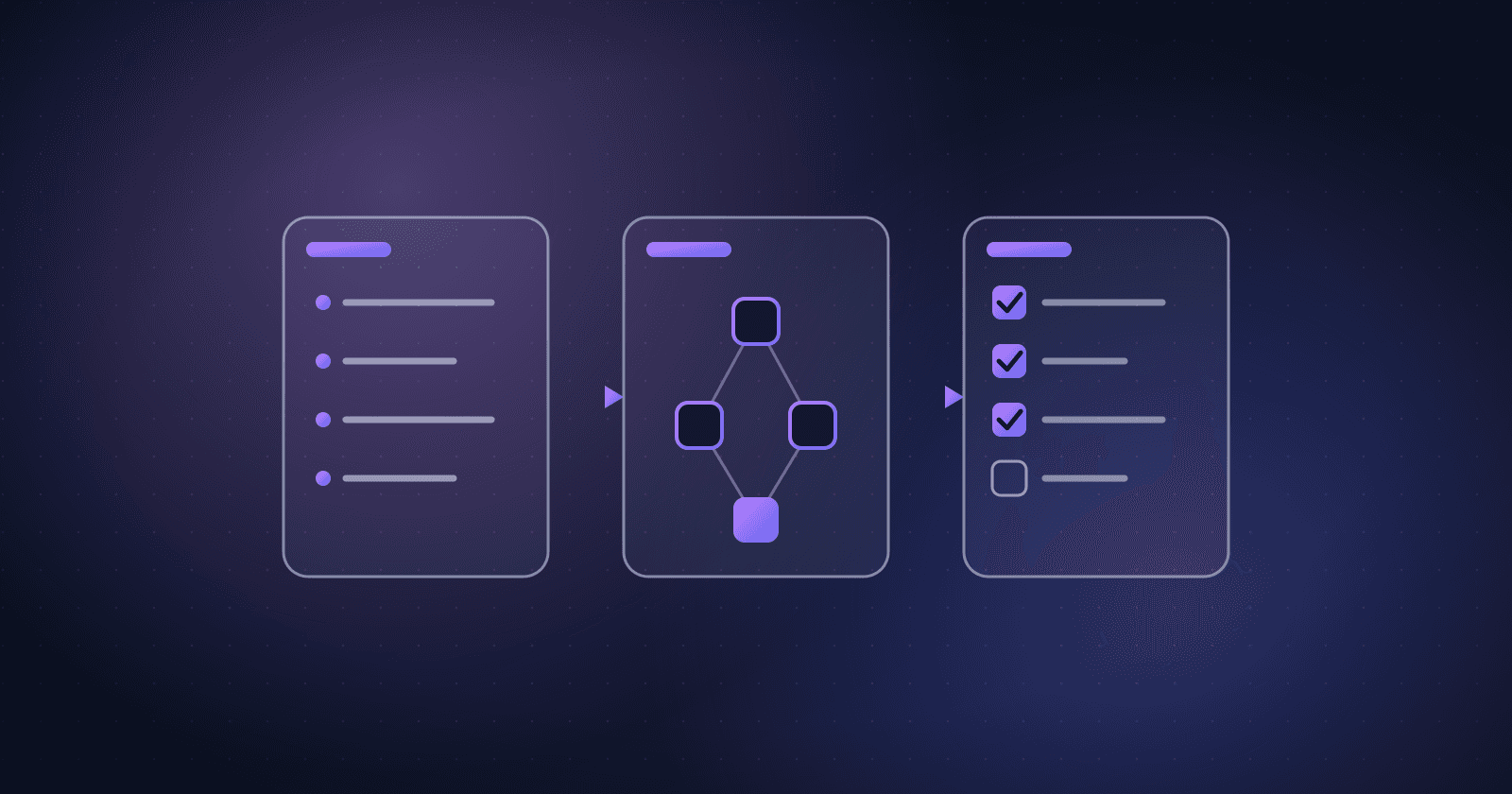
Kiro and Spec-Driven Development: from vibe coding to viable code
Kiro turns prompts into EARS-style requirements, designs, and task plans—helping you move from “ideas” to shippable, verifiable code.
AI AgentsSpec-DrivenProductivity